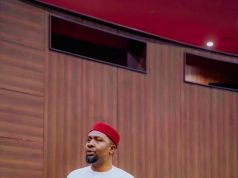
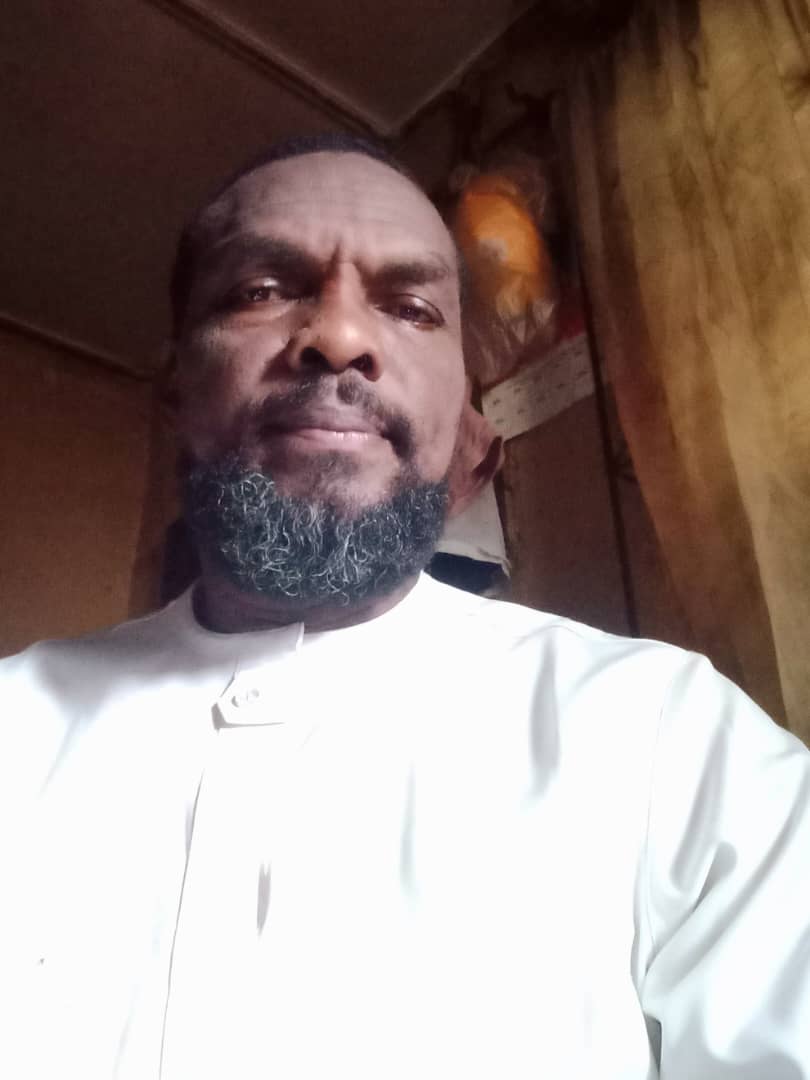
Hon. Desmond Ofoma.
Christian Fathers are not politicians. They do not carry placards in the streets. They rarely make the headlines.
A 54 year old father of four and a civil engineer by trade. For over a decade, he has led a Bible study group that meets every Saturday.
But two years ago, the topic shifted from the Book of Acts to the Constitution of the Federal Republic of Nigeria.
Believing they cannot raise children in the fear of God and then allow systemic corruption to steal their future. The father’s role is to teach, to protect, and to ask hard questions.
This is the story of the quiet revolution of Nigeria’s Christian fathers a demographic often stereotyped as passive churchgoers, but who are now emerging as the front line of civil education and community governance.
Good governance is the process by which public institutions manage resources and guarantee human rights, free from corruption and abuse. It focuses on ethical inclusive and transparent decision making process.
Interesting, Nigeria our beloved nation is richly blessed with both human and natural resources, yet, we continue to face persistent challenges, from corruption to weak institutions, poor accountability and declining public trust in leadership.
While considering goverment reforms and policies as being important, true and lasting change must begin from the grass roots, from our homes, our values, and our daily actions.
Fathers in this circumstance is more than a provider, he is a leader, a teacher and a moral compass within the family and the community.
The bible discribed fathers as shepherds, building, protecting, and nurturing those entrusted to their care.
This role places fathers in a unique and powerful position to influence not just their families, but the moral fabric of the society.
Fathers who teaches honesty raises children who rejects corruption. Fathers who respects rule of law raises children who value order and justice.
A father who participate in elections, raises a generation that understands the power of their vote.
Therefore, for us to passive good governance in Nigeria, we must raise good citizens, and that begins with a responsible father.
They can serve as agent of change in several ways.
By Modeling Integrity , Promoting Civil Education, Through Active Community and Church Engagement, as well as Holding Leaders Accountable.
Good governance is not the entire responsibility of politicians alone, rather a shared duty. Fathers as pillars of families and communities have crucial role to play.
As role models, they have what it takes to make the country a better place. They must raise up to their responsibilities and make sacrifices that will benefit all and sundry in this forthcoming election, by saying no to any form of negative action that will later turn around to haunt and torment their lives and those of our children.
This explains why your vote is more important as a father than your tithe because, one pays for the church, the other determines whether your children have light in their homes.
The results are tangible. In Imo State, this group spearheaded a “Know Your Representative” drive.
They printed simplified guidebooks explaining the roles of Local Government Chairmen and State House of Assembly members. Fathers were tasked with teaching their children one civic fact per week.
A child went home from school and asked the father, Daddy, why does the Governor have immunity? Is that in the Bible or the Constitution? The father had to admit he didn’t know.
This is civil education not from a textbook, but from the pulpit. It is a slow, patient process of reclaiming the public square from the vantage point of the private home.
As fathers, you have to answer to God for the children entrusted in your hands. If a leader fails, you cannot shut our mouths because you are men of God.
Perhaps the most powerful weapon in this quiet revolution is the voter’s card. For decades, the narrative in many pulpits was that politics was dirty and Christians should stay out. The new generation of fathers is flipping this script.
Somewhere in the northern part of the country, where inter religious tensions often flare, a coalition of Christian father led groups ran a program called “Vote Your Conscience, Not Your Tribe”. They organized cross denominational meetings to discuss political manifestos not just the candidates faith.
This approach shattered the facade of impunity. Candidates could no longer simply wave a Bible to win the goodwill of the congregation. They had to show receipts.
At the heart of this movement is a simple theological conviction: the family is the first institution of governance. If a father cannot manage his home with justice, integrity, and accountability, how can he expect the state to do the same?
If Nigeria as a country has a governance problem, it has a father problem that need to be fixed.
It is a long, arduous journey. The fathers face ridicule, threats from political thugs, and the temptation to retreat into the comfort of spiritualized piety.
But in churches across Nigeria, from the cosmopolitan cathedrals of Abuja to the mud walled chapels of the rural north, a new sound is being heard.
It is not the sound of a protest siren or a political jingle. It is the sound of a father quietly teaching his son how to read a budget line. It is the sound of a Bible study group debating a local government policy. It is the sound of accountability taking root.
The change is not yet a landslide. But in the hearts of these fathers, the seeds of good governance are being watered one prayer, one lesson, and one vote at a time. And they believe, with a conviction as solid as their faith, that the harvest is coming.
Hon. Desmond Ofoma, is the
Owerri Zonal Chairman,
Obi- Kwankwaso Nat, Solidarity.
OBIKWAN, SOUTH EAST CHAPTER.